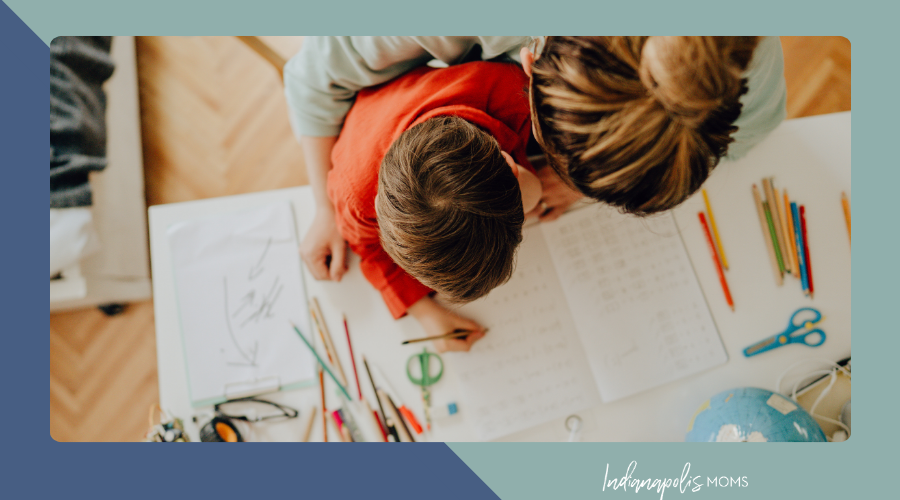
 The definition of homeschool is “to teach (one’s children) at home instead of sending them to school.” This is how I’ve always defined homeschooling, but after becoming a homeschool parent, I realized it’s a controversial opinion.
When I began naively researching homeschooling, I joined several local homeschooling Facebook groups. It was here that I was introduced to a major disconnect in the homeschooling community: virtual public schools. These programs, like Braintree and OpenEd, have popped up across the US. My sons have been enrolled with Braintree since kindergarten, and we love the program, which is described on their website as “a tuition-free virtual K-10 school.” Braintree Academy in Indiana partners with Cloverdale Community Schools and allows students, like my children, to be fully homeschooled by me while also earning public school credit by submitting proof of education to a certified teacher. It is no more work for my children, but helps me to stay accountable and be assured that they are meeting age-appropriate learning goals.
When I first heard about Braintree, it was in a comment section of a homeschooling Facebook page. On this page, grown adults were arguing about how kids enrolled in virtual public school “aren’t real homeschoolers,” so down a rabbit hole I went, learning everything I could about homeschooling versus using Braintree. Everything here is my personal opinion, and I know it isn’t the most popular one; however, Braintree makes homeschooling work better for my family. Indiana homeschooling laws are among the most lenient in the US, and I personally work better with more guidance. Braintree requires you to do several things that homeschooling in Indiana does not, such as: work with a certified teacher, submit weekly assignments that show proof of attendance or samples of work completed by the student, and commit to taking state standardized testing if grade-appropriate. In addition to these commitments, you are able to use supplemental learning points to purchase approved school supplies, curriculum, technology, and attend free field trip opportunities.
I want to homeschool my children so I can see them more often. I do not want to homeschool my children to avoid the government, to keep them from taking standardized tests, or to keep them away from science or opinions that differ from mine, which are all arguments I have heard against these virtual public schools. I frequently come back to the basic dictionary definition of homeschooling, and I will call my boys homeschooled because I am their teacher and we do all of our work at home or out in the world- not in a school building.
Parenting is hard enough, and we should be cheering each other on! If you want to homeschool and having a certified teacher and supplemental learning funds will help you to be able to confidently and financially do it, you should have that option, and I will be here cheering you on.



In + Around Indy
Twelve Best Places to Find Fall Colors Around Indianapolis
Folks from out of state might be surprised to see how beautiful Indiana is during the fall season. What seems like normal foliage during...